Here is your same content formatted properly but without any HTML tags.
You can paste this directly into the textarea / rich editor and it will keep the structure.
Best Tile Cleaner for Indian Homes – Complete Guide
Tiles are one of the most common surfaces in Indian homes — from bathrooms and kitchens to balconies and parking areas. But with hard water, soap residue, cement film, and daily dirt, tiles often lose their shine faster than expected.
Choosing the right tile cleaner makes a huge difference — not just in cleanliness, but also in tile life, grout safety, and long-term appearance.
In this guide, we’ll explain:
• Why tiles get dull and stained
• Types of tile cleaners available
• How to choose the best tile cleaner for Indian conditions
• Correct usage tips for best results
Why Do Tiles Get Dirty So Quickly in Indian Homes?
Indian homes face some unique cleaning challenges:
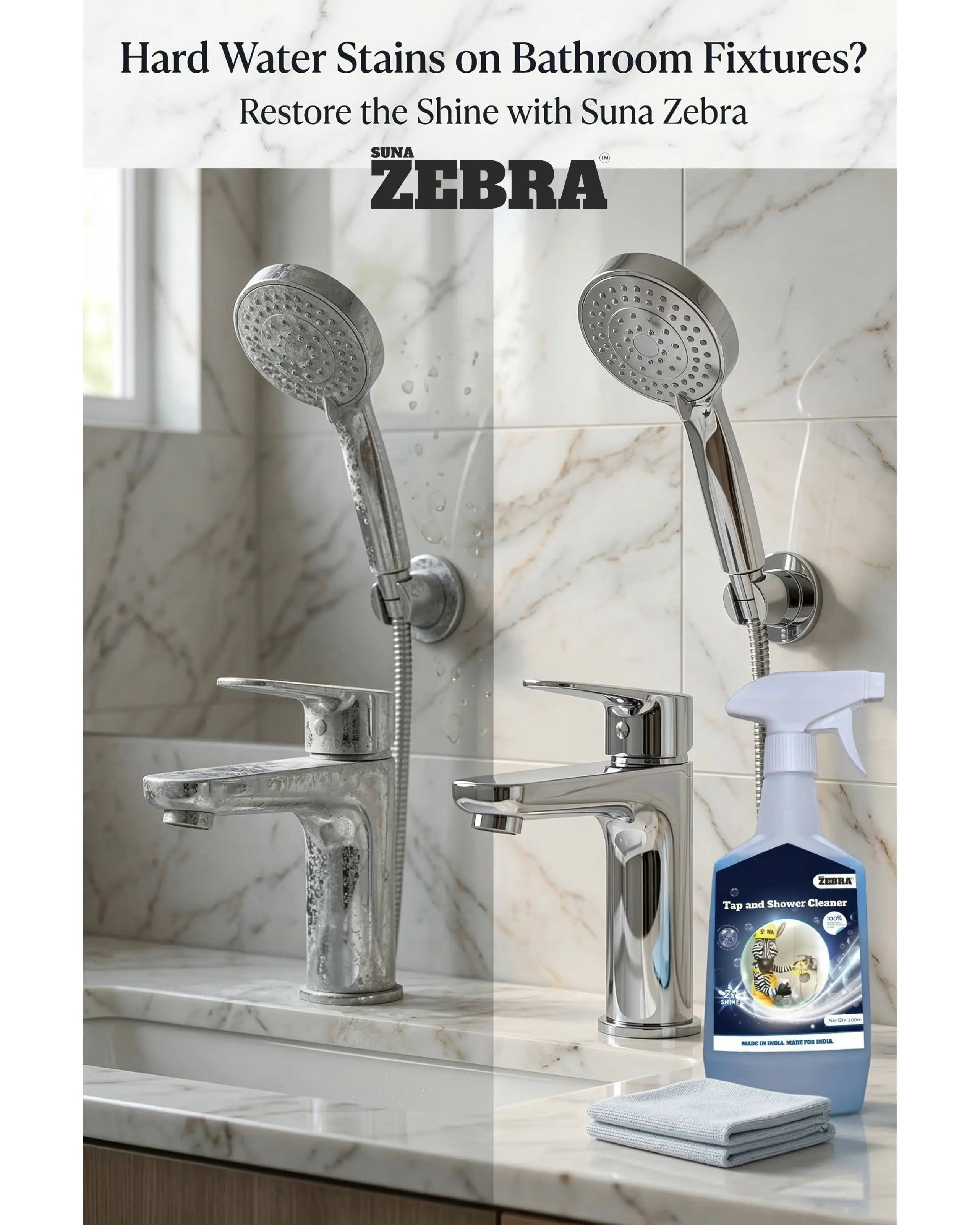
• Hard water stains (white patches, dull film)
• Soap & shampoo residue in bathrooms
• Oil and grease in kitchen tiles
• Dust and mud from open ventilation
• Cement residue after construction or renovation
Regular floor cleaners or soap solutions cannot remove these deposits fully.
Over time, this leads to:
• Permanent dullness
• Grout discoloration
• Stubborn stains that don’t go away with mopping
That’s where a dedicated tile cleaner becomes essential.
What Is a Tile Cleaner?
A tile cleaner is a surface-specific cleaning solution designed to:
• Break mineral deposits
• Remove soap scum and cement film
• Clean tile pores deeply
• Restore original shine without damaging tiles
Unlike phenyl or floor cleaners, tile cleaners are formulated to handle inorganic stains commonly found on ceramic and vitrified tiles.
Types of Tile Cleaners (And Which One You Need)
1️⃣ Acid-Based Tile Cleaners
Best for:
• Cement residue
• Hard water stains
• Post-construction cleaning
⚠ Should be used carefully and as per instructions.
2️⃣ Non-Acid / Mild Tile Cleaners
Best for:
• Regular maintenance
• Daily or weekly cleaning
• Homes with sensitive surfaces
3️⃣ Professional-Grade Tile Cleaners
Best for:
• Deep cleaning
• Old tiles
• Heavy stains
• Commercial or large homes
These cleaners offer faster results with less scrubbing.
How to Choose the Best Tile Cleaner for Indian Homes
When buying a tile cleaner, look for these points:
✔ Effective on hard water stains
✔ Safe for ceramic & vitrified tiles
✔ Does not damage grout
✔ Low odor & controlled fumes
✔ Easy rinse, no sticky residue
Avoid:
❌ Using toilet cleaner on tiles
❌ Mixing multiple cleaners
❌ Excessive acid concentration
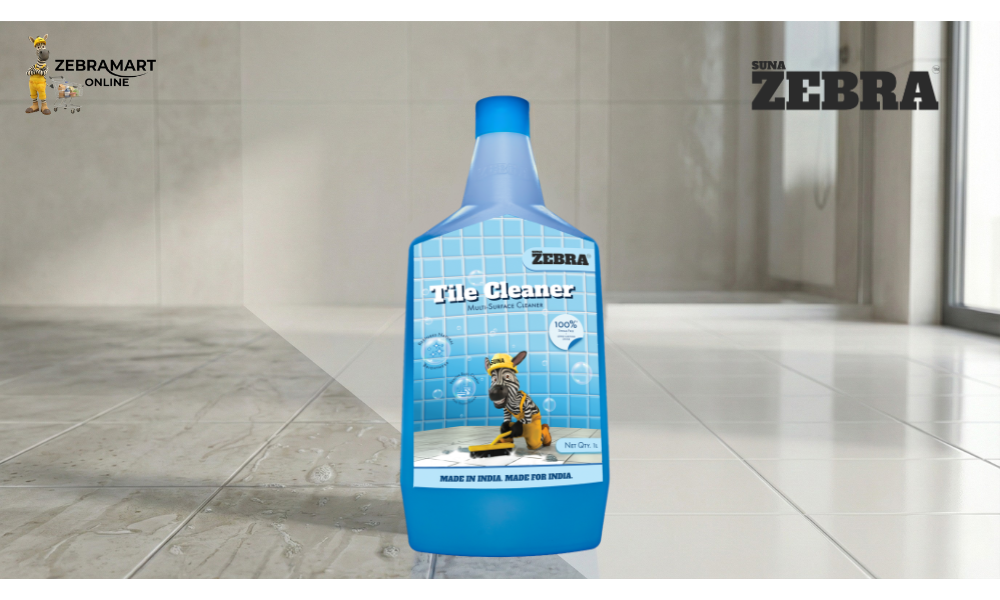
Why Zebra Tile Cleaner Is Designed for Indian Conditions
Zebra Tile Cleaner is formulated keeping Indian water quality, tile types, and usage habits in mind.
Key benefits:
• Removes hard water stains & soap scum
• Effective on old and dull tiles
• Restores shine without scratching
• Suitable for bathrooms, kitchens & balconies
• Trusted for both home and professional use
👉 Ideal for deep cleaning, not just surface cleaning.
For heavy cement deposits, we recommend using a dedicated cement remover.
How to Use Tile Cleaner Correctly (Step-by-Step)
1️⃣ Sweep or wash loose dust
2️⃣ Dilute tile cleaner as recommended
3️⃣ Apply on tile surface evenly
4️⃣ Leave for 2–5 minutes (do not over-wait)
5️⃣ Scrub gently with brush or scrubber
6️⃣ Rinse thoroughly with clean water
💡 Tip: Always test on a small area first.
Common Tile Cleaning Mistakes to Avoid
❌ Using toilet cleaner on tiles
❌ Overusing acid regularly
❌ Not rinsing properly
❌ Ignoring grout lines
❌ Cleaning dry tiles without wetting
These mistakes reduce tile life and may cause permanent damage.
How Often Should You Use Tile Cleaner?
Daily: Normal floor cleaner or mopping
Weekly: Mild tile cleaning
Monthly: Deep tile cleaning with tile cleaner
After renovation: Strong tile or cement cleaner
Balanced usage keeps tiles clean without damaging the surface.
Related Cleaning Guides (Recommended Reading)
• How to Remove Cement Residue from Tiles
• Complete Bathroom Cleaning Guide
Final Thoughts
Tiles are a long-term investment in your home. Using the right cleaner, at the right frequency, protects both appearance and durability.
If you want professional-level results at home, choosing a purpose-built tile cleaner makes all the difference.
🛒 Explore Zebra Tile Cleaner on Zebramart Online
Designed for Indian homes. Built for real stains.